Leave Your Message
You know, Color Coated Glass has really taken off in recent years! It’s become this game-changing material in modern design, effortlessly combining style with practicality. A report from Research and Markets even says that the global glass coating market could hit a whopping USD 11.9 billion by 2026! That just shows how much demand there is in areas like architecture, automotive, and electronics. This versatile material not only makes products look fantastic but also brings in durability and energy efficiency. No wonder designers and architects are leaning towards it when they want to create spaces that are both sustainable and visually stunning!
Over here at Dongguan Fuxin Glass Technology Co., Ltd., we’ve been at it for over ten years, really pushing the envelope in the glass industry—especially with display glass. We’ve poured so much effort into R&D for different types of glass, like ag, ar, af, and am glass. It just shows how dedicated we are to keeping up with what’s trending in design. By incorporating Color Coated Glass into what we offer, we’re not just focusing on functionality; we’re also fulfilling the aesthetic desires of today’s marketplace. It’s no surprise that we’ve made a name for ourselves as a go-to for advanced glass solutions that cater to the changing tastes of designers and architects.
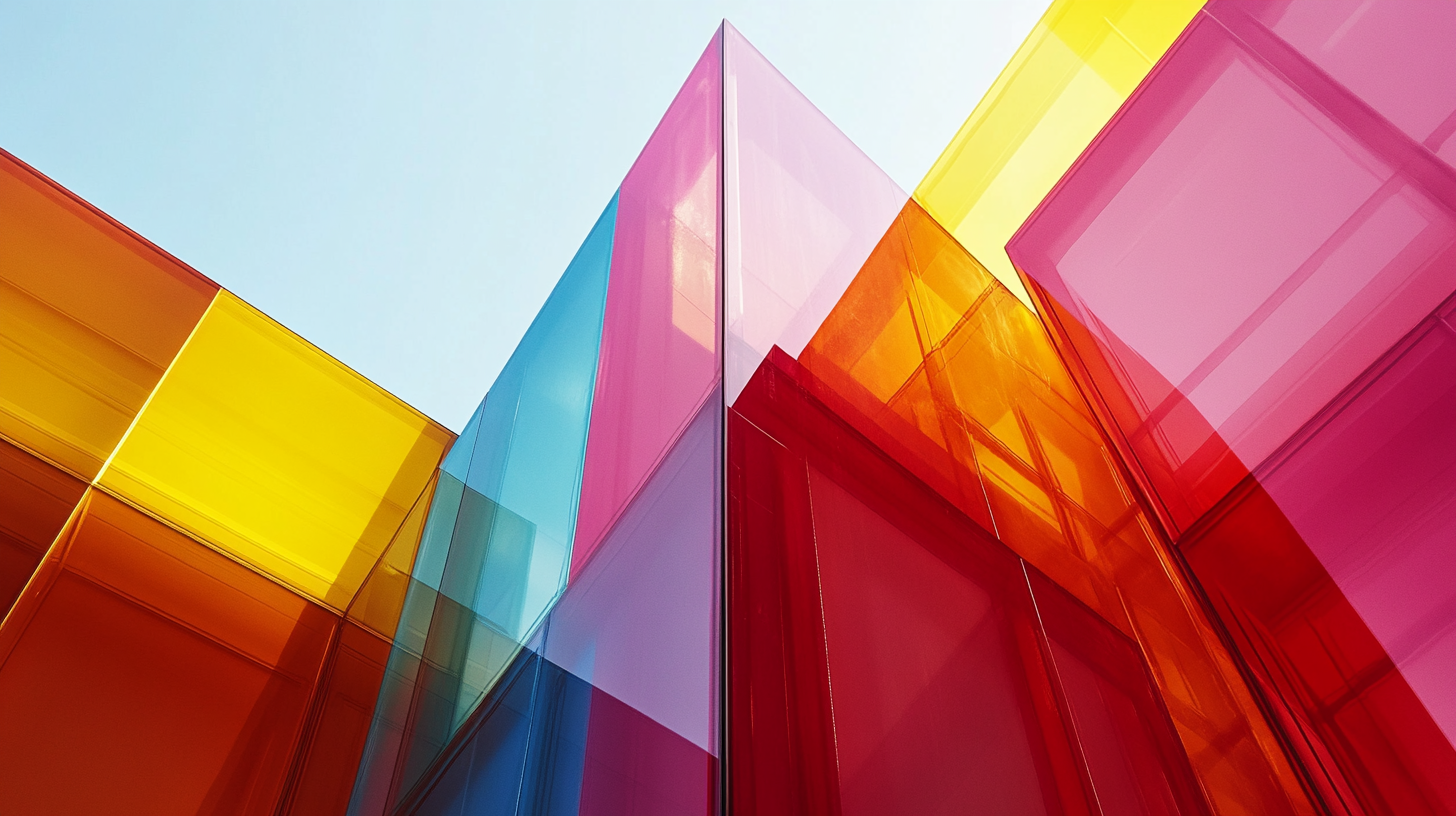
You know, color-coated glass has really become a key player in today's architectural scene. It's all about that perfect blend of style and functionality. A recent report by MarketsandMarkets even predicts that the global market for coated glass could hit a whopping USD 27.5 billion by 2027! Why? Well, it's mainly because more and more folks are on the lookout for energy-efficient building materials. One standout feature of this glass is its knack for reflecting solar rays, which helps keep indoor temperatures in check. This means less dependence on air conditioning, making it way more comfortable for everyone inside and cutting down on those energy bills too! And get this—architects are loving how color-coated glass gives them a chance to really get creative. With so many colors and finishes to choose from, they can whip up innovative designs that either blend in or stand out with the surrounding materials. It’s all about creating those wow factors, you know? ResearchAndMarkets found that the demand for colored glass in architecture has shot up by around 15% each year. It’s clear that designers are eager to craft dynamic and inviting spaces. Let’s not forget about durability! Color-coated glass is tough—it doesn’t fade, scratch, or corrode easily, which means it keeps looking great for ages. This long-lasting feature not only slashes maintenance costs but also ties in nicely with sustainability goals since you won’t have to replace it as often. So, overall, using color-coated glass in architecture isn’t just about making a statement visually; it’s also right in line with the industry's move toward sustainability and energy efficiency.
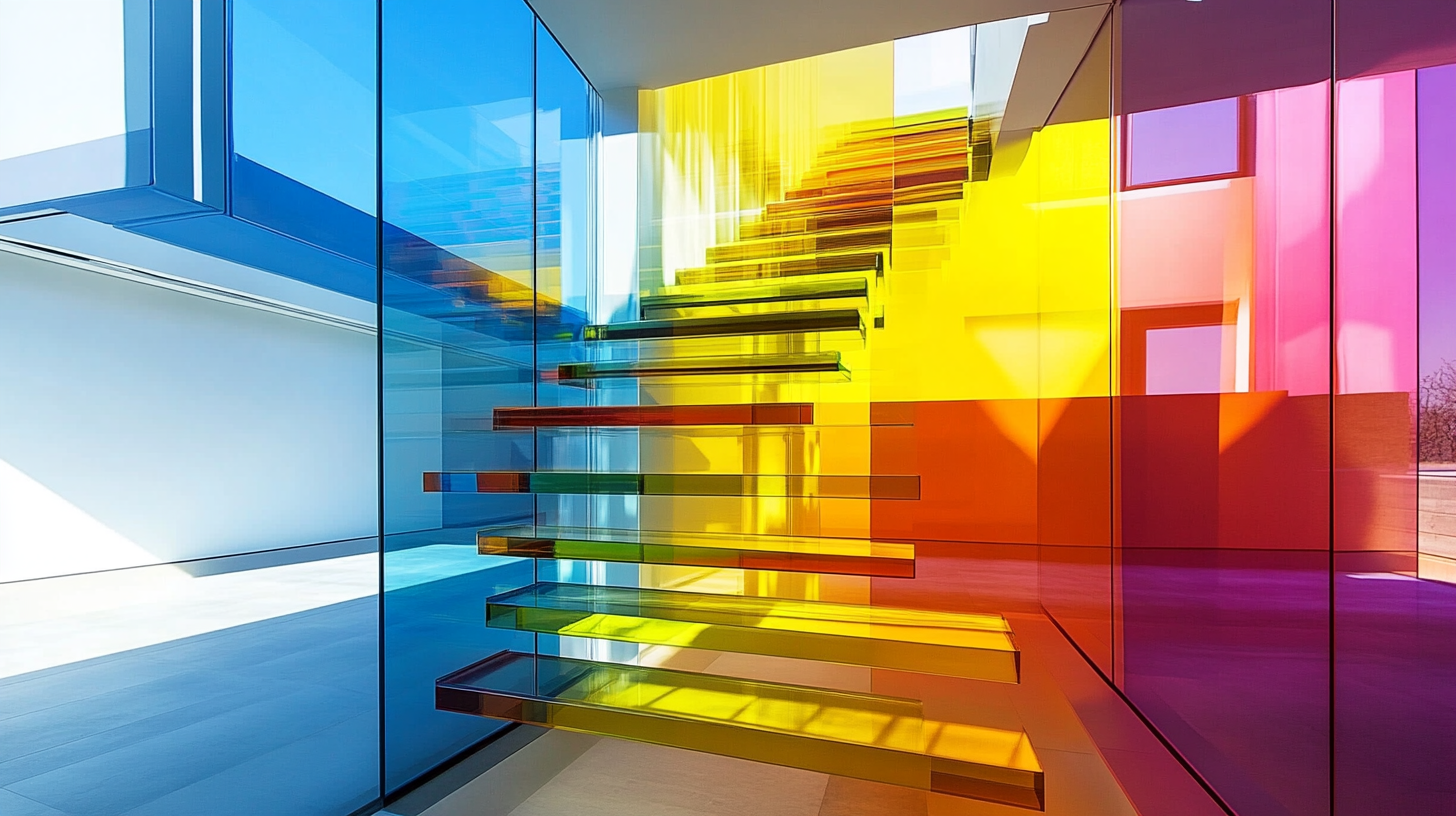
You know, color-coated glass is really starting to shine as a fantastic material in modern design, especially when it comes to decorating our interiors. Those vibrant colors not only make spaces look great, but they've got some practical uses too! Take kitchens, for example—imagine colored glass panels serving as chic cupboard doors or even stylish partitions. Not only do they keep your pantry stuff out of sight, giving that neat and tidy vibe, but they also add a fun splash of color that fits right in with the kitchen's overall style.
And it doesn't stop there! This color-coated glass works wonders for creating accent walls. Instead of the usual paint job, you can use this glass for a fresh, eye-catching look in your living room or dining area. It really draws the eye with its sleek and modern feel. Pairing it with some mid-century modern design elements means you're blending function with style perfectly. The glass reflects light beautifully, making even the coziest little rooms feel more spacious and inviting.
Looking ahead, I think we're going to see a lot more of this trend in the interior design world, especially since everyone’s talking about using unique materials and bold colors. This versatile glass is definitely a modern go-to. It sparks creativity and gives homeowners and designers alike a chance to play around with their spaces, adding that touch of style and sophistication we all love!
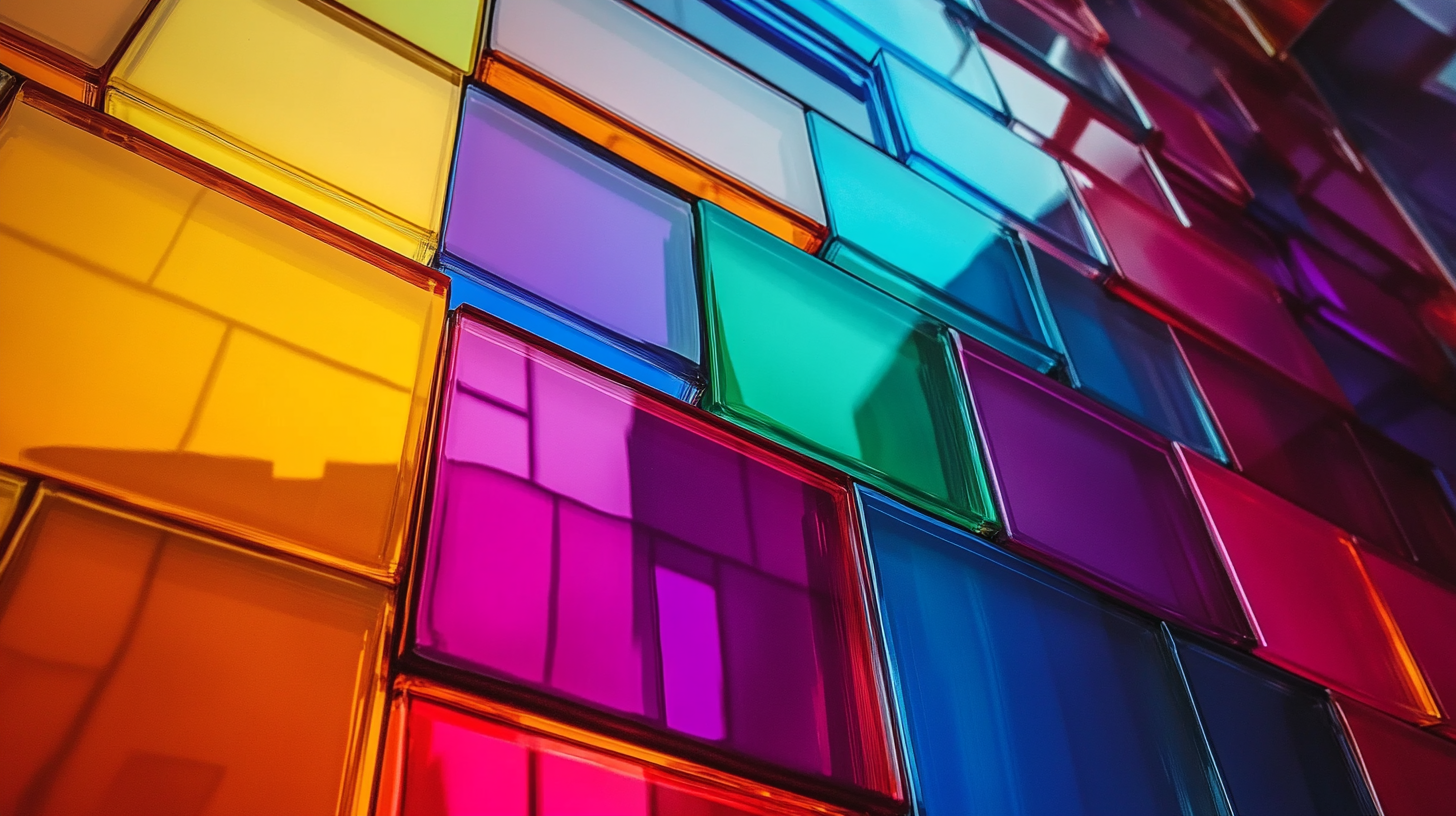
You know, color-coated glass has really become a big deal in today’s design world. It’s not just about how it looks; there are some serious environmental perks too! For starters, when we use color coatings, they help cut down the urban heat island effect. So, it’s like a two-for-one deal: it jazzes up our visual landscapes while also helping to cool down those hot, crowded city vibes. Plus, thanks to some cool advancements in coating technology, these glasses are now really good at reflecting solar radiation. That means we get cooler city environments, which is a nice little win for fighting climate change.
Now, let’s talk about sustainability in the paint and coatings industry. It’s kinda exciting how it sticks hand-in-hand with what’s happening in color-coated glass! More and more manufacturers are diving into eco-friendly options, which is awesome since it helps lower the negative impacts on our planet. You can see this trend in the new coatings being developed that actually support decarbonization and push forward circular economy ideas. By using materials that cut down waste and boost durability, color-coated glass is giving architects and designers some seriously eye-catching yet planet-friendly solutions.
And hey, there’s also a lot of research going on into how different glass formulations interact with the environment. Stuff like corrosion studies and looking at recycling pathways is super important. It really drives home the point about using materials responsibly in modern architecture. These findings show how vital color-coated glass can be in crafting sustainable building practices, making sure we can look good and feel good about it—without compromising on design integrity.
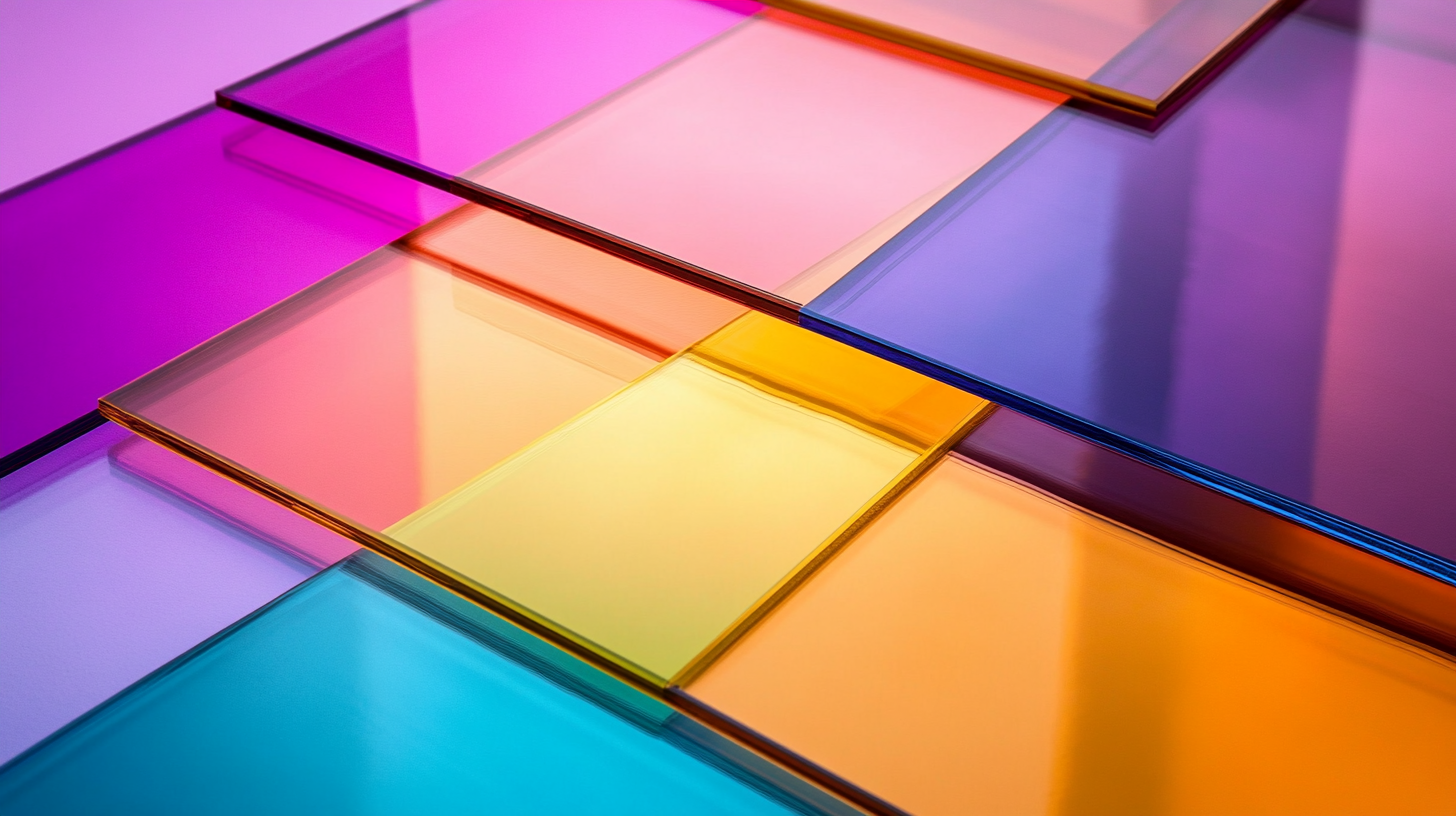
You know, color coated glass has really become this super versatile material that's shaking things up in modern design across a bunch of different areas. It’s amazing how it blends practical functionality with that eye-catching aesthetic vibe—makes it a go-to for all sorts of creative projects, whether it’s in a cozy home or a bustling commercial space. Designers can play around with vibrant colors and customizable finishes, boosting the visual punch of their creations while also keeping in mind some practical stuff like light control and privacy.
What’s really exciting about color coated glass is how adaptable it is! Seriously, it’s perfect for everything from jaw-dropping architectural facades to those little interior design details that just make a space pop. It’s not just about looking pretty, though; this glass has some pretty cool functional perks too. Like, it can help with managing solar heat and reducing glare, which is a nice bonus for energy efficiency in buildings. This mix of art and science really lets designers stretch their creative wings while still being mindful of regulations and sustainability goals.
And let’s not forget about the innovations in material technology that keep pushing the envelope for color coated glass! I mean, just think about how far things have come with fabric spray paints and other durable materials. Now, with high-performance coatings, these glass products are not just longer lasting but also easier to maintain. As manufacturers hone in on durability and creative solutions, the ways we can use color coated glass—from chic furniture pieces to public spaces—are just gonna keep broadening. Who knows what imaginative designs we’ll see popping up in the future?
So, you know how color-coated glass has really taken off in modern design? It's pretty cool because it brings a bunch of benefits compared to the regular glass we’re used to. One of the standout features is just how versatile it is when it comes to looks. Unlike your typical glass, color-coated options let designers and architects splash some vibrant colors into their projects, which really amps up the visual vibe and sparks creativity! This flexibility totally transforms spaces—whether it’s a living room, office, or whatever—helping to set moods and create atmospheres that fit specific design ideas. Plus, thanks to advancements in tech, like laser bending, we can now make color-coated glass in all sorts of cool shapes, which opens up even more possibilities in architectural design.
On the other hand, traditional glass just doesn’t offer that kind of customization. It’s still a go-to in the industry for sure, but it doesn't pack the same visual punch. And considering the recent trends towards mobile-friendly glass solutions, we see that the demand for connectivity in glass applications is on the rise—something regular glass really can’t keep up with. When you look at everything side by side, it’s clear that color-coated glass not only meets those design needs but also aligns with today’s tech demands. It delivers fantastic functionality while boosting visual appeal in ways that traditional glass just can't compete with.
As we keep pushing the envelope, the uses for color-coated glass in architecture are just getting broader. It’s being used in ways that create super accurate visual displays, especially in advanced facades, which makes communicating design ideas with real-world applications a breeze. This trend is definitely showing that as people increasingly want customized, high-performance materials, color-coated glass is going to be a key player in shaping the design landscape of the future.
You know, color-coated glass has really started to make its mark in the world of modern design. It's like, everywhere these days! It’s become a must-have for architects and interior designers alike. Looking ahead, it seems the possibilities for colored glass are just getting bigger than ever, and it’s not just about how it looks anymore. One cool trend that's popping up is how it's being used in smart buildings. Imagine glass that can actually change its transparency depending on how bright it is outside! It’s a neat way to save on energy without sacrificing that eye-catching look.
And let's talk about sustainability—it’s becoming a big deal in design these days. Color-coated glass can be made using eco-friendly methods and materials, which is a win-win for architects and designers who want to go green while still being stylish. Plus, as people get more into personalizing their spaces, the option to customize the color and texture of glass really stands out. We’re likely to see a lot more unique interiors where colored glass sets the mood just how you want it.
But wait, there's more! The versatility of color-coated glass is opening doors to some pretty unconventional uses. We're seeing it pop up in everything from artistic pieces to innovative furniture. Designers are getting super creative with layering and integrating glass into multi-dimensional art, making us rethink what colored surfaces can be. All in all, the future of color-coated glass looks like it’s going to be exciting and varied, helping to create environments that are not just gorgeous but also practical and sustainable.
You know, the trend of using color coated glass in modern design has really taken off lately. And it’s not just about how it looks; there’s a lot going on technically that makes it work so well. For starters, one really big thing to think about is how coatings can affect the glass’s strength. Innovations like OPACI-COAT-300® have totally changed the game. This coating not only makes the glass look amazing, but it actually helps to make it stronger too! Unlike some older coatings that could, you know, weaken the glass, OPACI-COAT-300® keeps everything intact, which is great whether you're designing a cozy home or a sleek office building.
Then there’s the whole issue of sticking to industry standards, especially when it comes to load resistance. There’s been some interesting talk about the ASTM E1300 standards lately. Turns out, you can use ceramic enameled glass without worrying about needing a uniform load strength reduction factor—just as long as the coating doesn’t mess with the substrate’s strength. That’s a pretty big deal because it opens up new options for designers. They can now use color coated glass more freely in all sorts of structural designs without stressing over safety and performance.
As the glass market keeps changing, it’s going to be super important for designers to jump on board with the latest tech and materials. The cool features of color coated glass, mixed with advancements in coating technologies, really let architects and designers think outside the box, creating eye-catching and durable buildings that fit today’s needs.
You know, color-coated glass has really become a key player in modern architectural design. It’s not just about looking good — it brings functionality to the table, too. There are some pretty impressive case studies out there that show how versatile this material can be across different projects. In fact, according to a report by Smithers Pira, the global architectural glass market is expected to hit a whopping $132 billion by 2024! And a big chunk of that is likely going to be color-coated glass, thanks to its unique features and design possibilities.
Take **VIA 57 West** in New York City, for example. The vibrant colored panels they used totally enhance the building's cool pyramid shape. It’s more than just a good-looking structure; the color actually helps with energy efficiency by reflecting sunlight. A study from the Glass Association of North America points out that buildings using color-coated glass can perform up to 15% better energy-wise compared to traditional glass — pretty cool, right?
Then there’s the **National Gallery of Canada**, which has also integrated color-coated glass into its façade. This design choice helps it blend nicely with the natural surroundings and, on top of that, it protects the artwork inside from UV damage. It’s such a great example of how color-coated glass can do double duty. Research from the Architectural Glass Association shows that more and more people are jumping on the bandwagon for colored and coated glass solutions — it’s becoming a big trend, especially in commercial and institutional projects, reflecting that bigger push towards sustainability and creativity in design.
Color coated glass enhances aesthetic appeal and offers functional benefits such as reflecting solar radiation, regulating indoor temperatures, and reducing reliance on artificial cooling systems, which lowers energy costs.
It helps to reflect solar radiation, which keeps indoor temperatures comfortable and decreases the need for artificial cooling, leading to reduced energy costs.
Yes, color coated glass is available in a wide array of colors and finishes, allowing architects to create innovative designs that complement or contrast with surrounding materials.
Demand for colored glass has risen by approximately 15% annually, reflecting its growing acceptance among designers seeking to create dynamic and engaging environments.
It is resistant to fading, scratching, and corrosion, ensuring that its aesthetic qualities remain intact over time, which reduces maintenance costs and supports sustainability.
By reflecting solar radiation more effectively, color coated glass helps lower temperatures in urban areas, contributing to cooler environments and addressing climate change issues.
Manufacturers are focusing on eco-friendly formulations and innovations that support decarbonization and circular economy principles, minimizing environmental impact.
Research on the environmental interactions of glass formulations highlights the need for responsible material usage, emphasizing the role of color coated glass in sustainable building practices.
The global market for coated glass is projected to reach USD 27.5 billion by 2027, driven by increased demand for energy-efficient materials.
Its integration in designs not only enhances visual impact but also meets the industry's shift towards sustainability and energy efficiency.