Leave Your Message
You know, as technology keeps evolving and we get more used to interacting with all these gadgets, there's this constant push for smarter, more user-friendly solutions. One pretty cool advancement that's been making waves is Anti-Fingerprint Glass. It’s really changing how we experience our devices—making screens look cleaner and stay that way longer. I came across a recent report from Research and Markets, and it belly laughs the growth of the global anti-fingerprint glass market—it's expected to surge, especially with folks using it on smartphones, tablets, and other electronics. A company called Dongguan Fuxin Glass Technology has been leading the charge in this field for over ten years, focusing on innovative glass types like AG glass, AR glass, AF glass, and AM glass. As people start expecting their screens to stay spotless and functional without a hassle, Anti-Fingerprint Glass is kind of set to totally change the way we interact with our tech—giving us not just better looks but also making our devices last longer and work better.

You know, the whole anti-fingerprint glass thing has really changed how we use our devices. It's like a big upgrade in user experience. Thanks to some fancy nanotech, these coatings are specially made to repel oils, grease, and other smudges, so screens stay pretty much spotless. I read somewhere (thanks, Transparency Market Research!) that by 2024, the global market for anti-fingerprint coatings will hit about $1.5 billion. That’s mostly because people are demanding better screens in their phones, gadgets, and even cars.
If you wanna get the most out of this tech, here are a couple of tips: first, give your screen a quick wipe with a microfiber cloth now and then—no need to go crazy, but it helps keep pesky residue at bay. Even though these coatings are super good at fighting smudges, a gentle cleaning keeps things looking fresh. And second, be careful with what you’re using around the glass—sharp objects or rough cloths can scratch it and mess up that special coating over time.
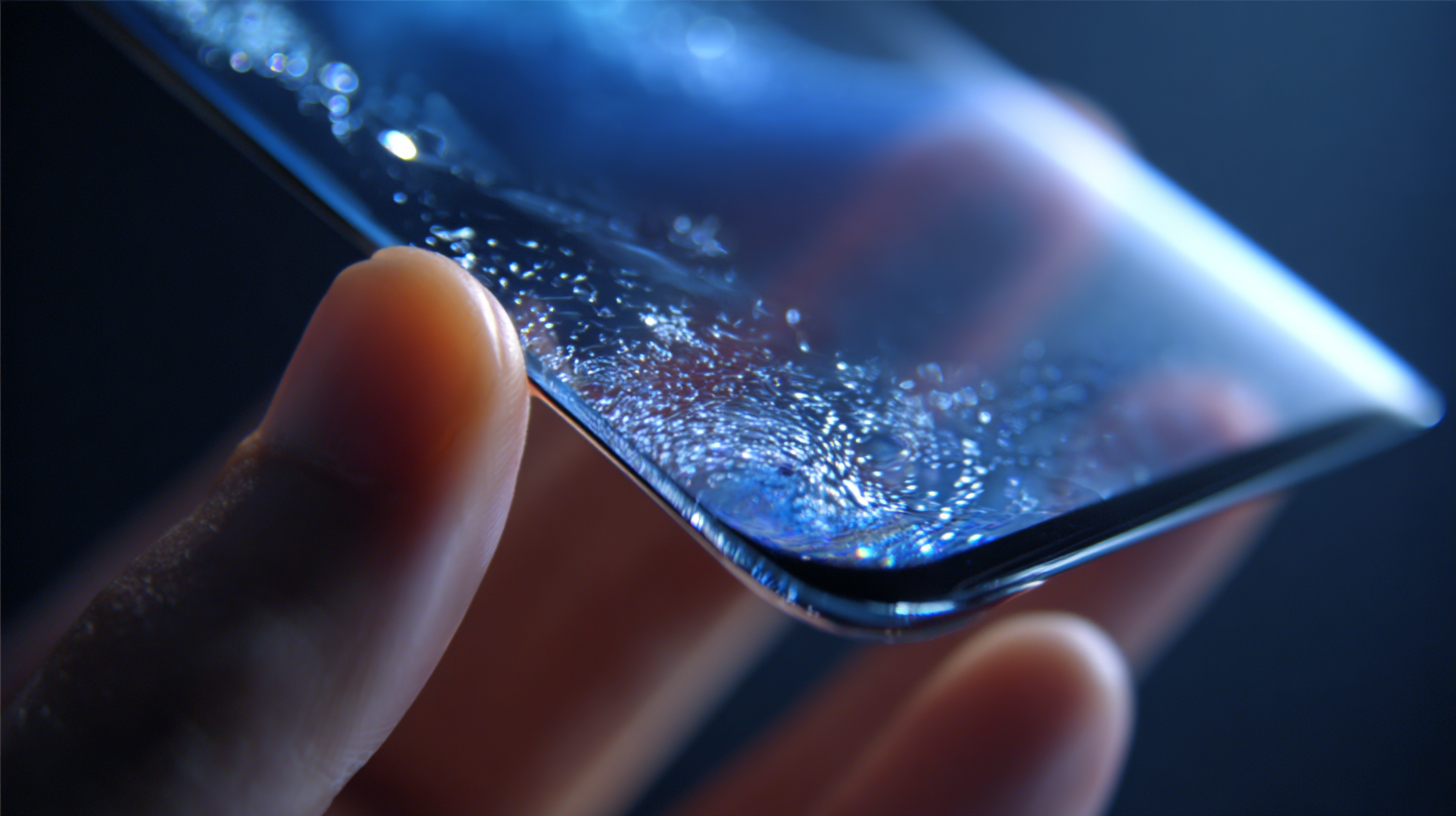
So, how does it all work? Well, they put on this super thin, microscopic layer that changes how the surface behaves—making it repel water and oils. That means clearer, brighter screens on your phone or tablet, making everything look better and feel smoother to use. And honestly, as this tech keeps improving, I bet we'll see even cooler features that make our digital lives easier and more enjoyable.
| Feature | Description | Benefits | Applications |
|---|---|---|---|
| Hydrophobic Surface | Repels water and oils, reducing smudges and fingerprints. | Easier cleaning and maintenance, improved visibility. | Smartphones, tablets, and touchscreens. |
| Anti-Reflection Coating | Minimizes glare from light sources. | Improved user experience in bright environments. | Displays and monitors. |
| Durability | Resistant to scratches and wear. | Longer lifespan of devices. | Consumer electronics. |
| Easy Application | Can be applied to existing surfaces. | Cost-effective upgrades. | Laptops and automotive screens. |
| Custom Finishes | Variety of textures and colors available. | Aesthetic flexibility for designers. | High-end consumer goods. |
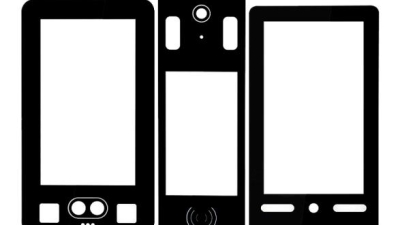
In today's evolving landscape of security solutions, customized Augmented Reality (AR) security glass panels are emerging as a pivotal innovation in access control systems. These panels not only provide a high level of visibility and visual acuity but also enhance safety and security through the use of tempered glass. According to recent industry reports, the global market for smart and secure glass technology is projected to reach USD 35 billion by 2025, illustrating the growing demand for advanced security solutions.
Tempered glass is designed through rigorous chemical and physical processes that create compressive stress on its surface, significantly improving its strength and durability. This specialized glass can be customized into various shapes, colors, and finishes, making it ideal for diverse security applications. For example, AR glass can integrate digital information with the physical world, providing real-time monitoring and access management that enhances situational awareness. A report from the Safety Glass Association highlights that incorporating tempered and silk screen glass into security designs can reduce the risk of break-ins by up to 50%, showcasing its effectiveness in modern security applications.
By utilizing various types of tempered glass—including ultra-white glass, touch screen glass, and AG glass—designers and security professionals can create bespoke solutions tailored to specific environments and requirements. As businesses increasingly seek innovative methods to bolster their security infrastructure, the integration of customized AR security glass panels signifies a trend toward smarter, safer access control mechanisms that keep pace with the demands of today's sophisticated security challenges.
: Anti-fingerprint glass is a type of glass that features a special coating designed to repel fingerprints, oils, and dust, keeping the display clear and vibrant.
The benefits include minimizing unsightly smudges, improved hygiene, enhanced durability, and a better overall user experience.
Anti-fingerprint glass repels oils and dust, which helps maintain a cleaner environment on touchscreen devices, making them more hygienic to use.
Yes, anti-fingerprint glass is often designed to be scratch-resistant, protecting devices from everyday wear and tear.
They keep screens clear and vibrant, reduce the need for constant cleaning, and enhance touch responsiveness by minimizing distractions from smudges.
Yes, anti-fingerprint coatings can improve touch responsiveness, allowing for more precise and faster navigation on devices.
Yes, as technology evolves, the integration of anti-fingerprint features is likely to become a standard expectation in new devices.
Absolutely, by keeping screens free of smudges and fingerprints, anti-fingerprint glass allows the sleek design and functionality of devices to stand out.
Smartphones, tablets, and wearable technology all benefit from the application of anti-fingerprint glass.
It ensures that screens maintain their clarity and vibrancy, providing a better visual experience for users.
Today, with technology pretty much mixing into every part of our lives, Anti-Fingerprint Glass is really changing the game in how we interact with our gadgets. Once you understand how it works, you realize how awesome it is at fighting off those annoying smudges and fingerprints, so your screens stay cleaner and clearer. But honestly, the perks go way beyond just looking good — this thin layer makes using your devices a smoother, more seamless experience. You can see this kind of tech everywhere now, from smartphones and tablets to smart home gadgets, and it totally changes the way we connect with our tech tools.
Looking ahead, it’s exciting to think about what’s coming next in Anti-Fingerprint tech. Big players like Dongguan Fuxin Glass Technology Co., Ltd. are pushing the boundaries, doing tons of research on different types of glass, especially AF glass. As folks become more aware of how important things like durability and clarity are, picking the right Anti-Fingerprint Glass is going to be a real deal-breaker for both how good your device feels and how happy you are with it.