You know, in today’s digital world, touchscreens are pretty much everywhere — on our smartphones, tablets, and tons of other gadgets. And behind the scenes, Touch Glass Factories are the ones making these crucial parts happen. Their quality and level of innovation really shape how we experience our devices every day.
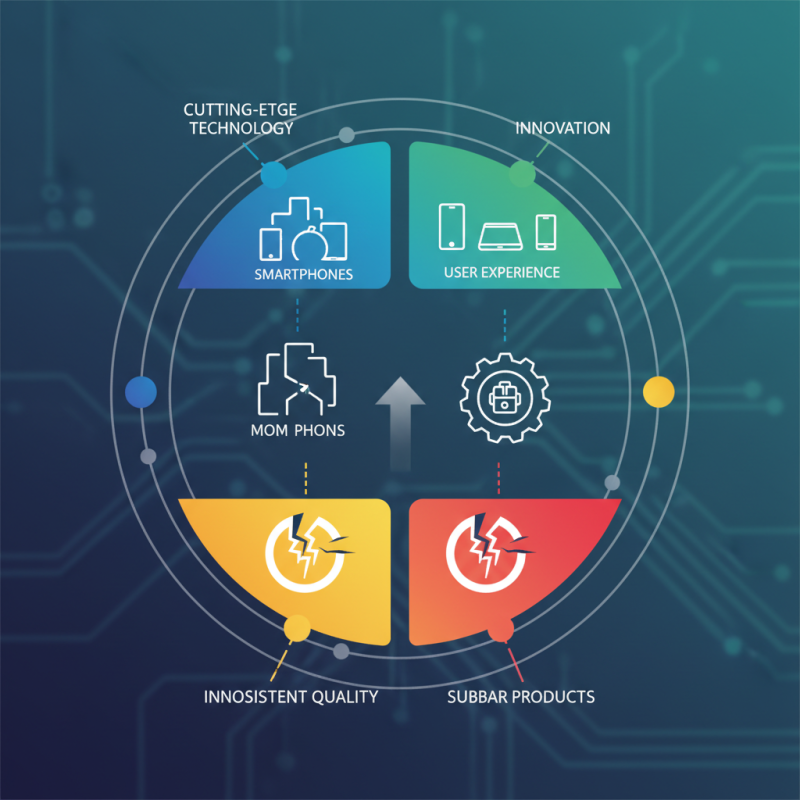
Some factories definitely stand out because they’re pushing the boundaries with the latest technology. Big names like Corning and LG Display have built quite a reputation for themselves. But, honestly, not every manufacturer hits the mark. There are quite a few that struggle with maintaining consistent quality, and that sometimes means us consumers end up with products that aren’t quite up to par.
When you take a look at the leading Touch Glass Factories, you see a mix of top-notch excellence and room for improvement. Some companies really shine in this space, while others still have some work to do refining their processes. If you’re into tech at all, getting a better grasp of how this industry works can be pretty eye-opening — it’s all about understanding what really makes our gadgets tick.
Overview of Touch Glass Technology and its Applications
Touch glass technology has transformed how we interact with devices. It offers intuitive interfaces that provide responsive feedback. In everyday life, it's everywhere—from smartphones to touchscreen kiosks. This technology allows for seamless navigation across various applications. Users rely on touch glass for its sensitivity and accuracy. This has led to an increase in demand for touch glass products in many sectors.
Industries adopt touch glass for diverse purposes. In retail, it enhances customer engagement. In automotive, it facilitates driver interaction systems. Health devices use touch glass for monitoring patient data. However, not all touch glass is created equal. Some products may not withstand heavy use. This inconsistency can affect user experience significantly. It raises questions about quality control in Af Glass Factories. How can manufacturers ensure durability while maintaining sensitivity? The challenge remains for designers and engineers alike. As technology evolves, so must the standards for touch glass applications.
Criteria for Evaluating Top Touch Glass Manufacturers
When evaluating top touch glass manufacturers, several criteria come into play.
Quality assurance is paramount. A reliable factory ensures their products meet rigorous standards.
This involves using advanced technology throughout production. A factory should also have a clear quality control process.
Regular audits and inspections are essential to maintain high-quality outputs.
Another crucial factor is the range of products offered.
A versatile factory can produce various touch glass options. This includes different sizes and specifications.
It indicates a factory's ability to adapt to market needs. Moreover, factories that invest in research and development often lead the industry.
Innovation fosters better designs and enhanced user experience.
Lastly, customer support should not be overlooked. Effective communication enhances partnerships.
Factories that provide resources and guidance during the buying process stand out.
However, not all factories excel in this area. Some may lack responsiveness, leading to frustration.
Evaluating these aspects can help identify the best
Glass Glare Factories for your needs.
List of Leading Touch Glass Factories Worldwide
The global touch glass market is expanding rapidly. According to a recent industry report, the market is projected to reach $25 billion by 2025. This growth is fueled by demand in smartphones, tablets, and other devices. Touch glass factories play a crucial role in this supply chain.
Many factories focus on innovation and quality. However, some struggle with production efficiency. A recent study noted that only 70% of factories achieve optimal output levels. This gap highlights the need for improved processes. Moreover, environmental concerns are rising, and factories face pressure to adopt sustainable practices.
In regions like Asia, manufacturers are investing heavily in advanced technology. Automation is becoming prevalent. Yet, not all factories keep pace with these changes. Some still rely on outdated methods. This imbalance can lead to quality issues and higher costs. Therefore, seeking out the leading factories that prioritize both innovation and sustainability is essential. The future of touch glass production depends on these adaptations.
Top 10 Touch Glass Factories You Should Know About
| Factory Location |
Year Established |
Production Capacity (Units/Month) |
Specialization |
Certifications |
| China |
2005 |
200,000 |
Capacitive Touch Panels |
ISO 9001, CE |
| South Korea |
2010 |
150,000 |
OLED Touch Displays |
ISO 14001, RoHS |
| Japan |
1998 |
100,000 |
Multi-touch Screens |
JIS, UL |
| USA |
2001 |
180,000 |
Glass ITO Coatings |
ISO 9001, FCC |
| Germany |
2003 |
120,000 |
Projected Capacitive Touch |
DIN, CE |
| Taiwan |
2006 |
220,000 |
Touch Sensors |
ISO 9001, TUV |
| Singapore |
2012 |
90,000 |
Flexible Touch Panels |
SGS, ISO 13485 |
| India |
2007 |
160,000 |
Touch Embedded Screens |
ISO 9001, ISO 45001 |
| Brazil |
2004 |
75,000 |
Anti-glare Touch Modifiers |
ANATEL, ISO 9001 |
| Mexico |
2015 |
140,000 |
Touch Screen Components |
ISO 14001, CE |
Key Innovations in Touch Glass Production
The world of touch glass production has seen remarkable advancements. Many factories are investing in cutting-edge technologies, pushing the boundaries of innovation.
Enhanced durability is one key area of focus. Using unique coatings, manufacturers can create glass that resists scratches and damages, improving the lifespan of devices.
Sustainability is also a growing concern. Many facilities are adopting eco-friendly practices. They utilize energy-efficient processes and recyclable materials. This shift not only benefits the environment but also appeals to conscious consumers. Manufacturers are aware that being environmentally friendly is a significant market advantage.
Tips: If you are exploring touch glass options, consider durability ratings. Look for certifications that indicate longevity. Understanding the production process can also provide insight into quality. Innovation in touch glass production does not solely mean advanced technology; it involves a commitment to better practices. Choose factories that prioritize both quality and sustainability.
Sustainability Practices in the Touch Glass Industry
The touch glass industry is embracing sustainability. Manufacturers are increasingly prioritizing eco-friendly practices. According to a recent report by the Glass Manufacturing Industry Council, about 75% of glass products produced now utilize recycled materials. This shift not only reduces waste but also cuts down on energy consumption. However, the transition is not flawless. Some factories still face challenges in sourcing high-quality recycled glass.
Water usage is another area needing attention. Reports indicate that some manufacturers use over 1,000 gallons per ton of glass produced. This figure raises concerns about local water supplies. Many companies are investing in water recycling technologies. However, the implementation is not uniform across the industry, leading to disparities in water conservation efforts.
Energy efficiency is a focal point as well. A study by the U.S. Department of Energy revealed that the glass manufacturing sector could reduce energy consumption by 15% with better practices. Yet, not all facilities are equipped to adopt these advanced technologies. The industry acknowledges these gaps. There’s still a long way to go for true sustainability in the touch glass sector.
Top 10 Touch Glass Factories Sustainability Practices
Challenges Faced by Touch Glass Manufacturers
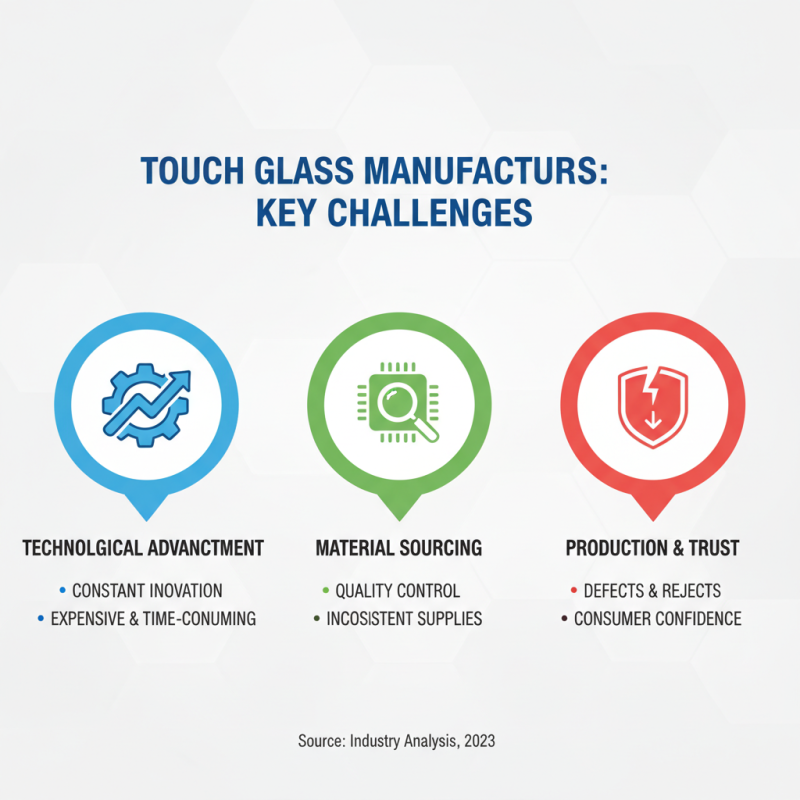
Touch glass manufacturers face several significant challenges in the industry. Rapid technological advances require constant innovation. Keeping up can be expensive and time-consuming. Many factories struggle with this pace of change. Moreover, sourcing quality materials is a hurdle that can impact production. Inconsistent material quality can lead to defects, affecting consumer trust.
The competition is fierce among manufacturers. Price wars can drive profit margins down. This pressure often results in cost-cutting measures that may affect product quality. Companies must find a balance between affordability and quality. A focus on long-term relationships with suppliers may help mitigate these issues.
Tips: Investing in R&D is crucial. It helps adapt to market shifts. Training teams regularly can enhance skills and efficiency. Pay attention to customer feedback to improve designs. Understanding market trends can prevent falling behind in the race. Glass Switch Factories should also consider both direct and indirect costs when pricing products.
Future Trends in Touch Glass Technology and Market Demand
The touch glass market is evolving rapidly. Demand for touch glass surfaces has surged due to advancements in technology. According to a recent industry report, the global touch screen market is projected to reach $40 billion by 2027. This growth is fueled by sectors such as automotive, electronics, and healthcare.
Future trends indicate a rise in the use of anti-fog features in touch glass. These innovations enhance usability, especially in extreme conditions. Last year, the anti-fog touch glass segment grew by 25%, showcasing its importance. Users prefer surfaces that maintain clarity over time. This trend points to growing market demand for Anti Fog Glass Factories.
Tips: Choose touch glass that offers durability. Look for features that improve usability in various environments. Consider long-term performance as a key factor; not all products are equal. This market is not without challenges. Not every technology is reliable or affordable. Consumers should remain cautious.
Exploring the Benefits and Features of Customized 7-Inch High-Quality Touch Screen Panel Cover Glass
Customized 7-inch high-quality touch screen panel cover glass offers a multitude of benefits tailored specifically for industrial Human-Machine Interfaces (HMIs) and medical devices. These panels are designed not only for durability but also for superior user interaction, making them an ideal choice for environments requiring precision and reliability. The customized nature of these panels allows for specific adaptations to meet unique requirements, ensuring they fit seamlessly within the intended applications.
One of the standout features of our touch screen panel cover glass is the array of coating options available, including Anti-Glare (AG), Anti-Reflection (AR), and Anti-Fingerprint (AF) technologies. These coatings enhance the user experience by reducing glare and reflections that can hinder visibility, while also minimizing fingerprints and smudges that can accumulate over time. This keeps the touch screen looking pristine and functional, even in high-usage environments.
Whether for OEM or ODM projects, our touch screen panel cover glass can be tailored to your specifications, providing an excellent solution for companies looking to enhance their products with high-quality touch interfaces. Requesting a quote is simple, allowing you to explore the many possibilities for customization that can elevate the functionality and aesthetics of your devices.
FAQS
: Touch glass technology allows for intuitive interfaces and responsive feedback. It enhances user interaction with devices.
Touch glass is used in smartphones, kiosks, and various applications across multiple industries.
In retail, touch glass boosts customer engagement and allows seamless navigation through products.
Manufacturers struggle with rapid innovation, quality material sourcing, and fierce competition in the industry.
Inconsistent material can lead to defects, impacting durability and consumer trust significantly.
The demand for anti-fog features is rising, enhancing usability in challenging conditions.
Look for durability, usability features, and consider long-term performance when selecting products.
Investing in R&D helps manufacturers adapt to market shifts and improve product quality.
Price wars can reduce profit margins, prompting cost-cutting measures that may compromise quality.
Yes, not all technologies are reliable or affordable; consumers should evaluate products carefully.
Conclusion
The article "Top 10 Touch Glass Factories You Should Know About" provides a comprehensive overview of touch glass technology and its diverse applications across various industries. It outlines the critical criteria for evaluating the leading touch glass manufacturers, emphasizing their innovation, production techniques, and sustainability practices. The article features a curated list of prominent touch glass factories worldwide, showcasing their contributions to advancing touch glass technology.
Moreover, it addresses the challenges faced by touch glass manufacturers, including market fluctuations and technological advancements. Looking ahead, the article explores future trends in touch glass technology and the evolving market demand, highlighting the importance of these factories in shaping the industry's landscape. Overall, this exploration of touch glass factories underscores their pivotal role in technological developments and sustainable practices within the sector.