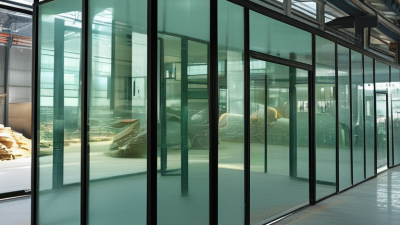
Lately, there's been a noticeable boom in demand for custom glass products worldwide, especially in architecture and interior design circles. If you look at the UV printing tech market, it’s expected to grow at around 7.2% each year from 2021 to 2026—that's pretty steady growth! This trend really highlights how important it is to partner with reliable suppliers, especially in China, which is a major manufacturing hub. But here’s the thing— not every UV printing glass factory out there is maintaining top-notch standards.
Quality control? Super important. Customers are after innovative, tough designs that last. I recently came across a report from Smithers Pira that says sustainable materials are going to be a big part of where UV printing is headed. So, for anyone looking to buy, picking the right UV printing glass factory really matters. Sure, lots of factories offer competitive prices, but it’s a bit of a balancing act—doesn’t it always? Sometimes, going cheap can mean corners are being cut, and that could affect how well the final product performs.
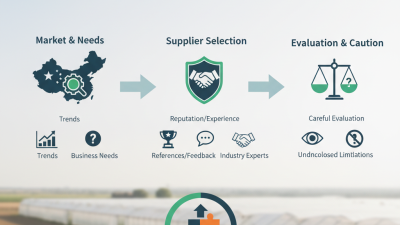
Getting it right means doing your homework. It’s smart to check out a supplier’s track record, ask about their certifications, and maybe even get some recommendations from folks in the industry. Focusing on quality rather than just saving a few bucks is usually the way to go if you want long-lasting results and solid partnerships. Honestly, understanding all this stuff about choosing a UV printing glass factory might seem daunting at first, but with careful research and a good eye for quality, it’s totally manageable. At the end of the day, it’s all about making smart choices and aiming for the best—I promise, it’s worth the effort.
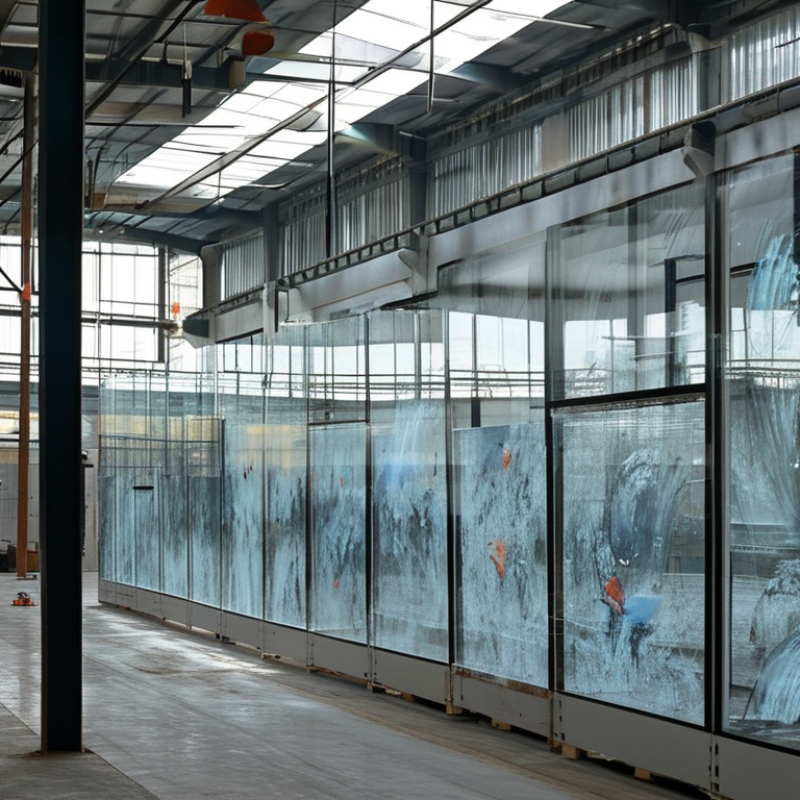
Overview of UV Printing Technology in Glass Manufacturing
UV printing technology has revolutionized glass manufacturing, enabling vibrant designs and efficient production processes. This technique uses ultraviolet light to cure ink, allowing for impressive detail and color fidelity. According to the Smithers Pira report, UV printing on glass is projected to grow at a CAGR of 6% through 2025. This growth reflects an increasing preference for customized glass products across various industries.
One notable advantage of UV printing is its environmental impact. Traditional printing methods often rely on solvents, which can emit volatile organic compounds. In contrast, UV printing generally produces less waste and uses eco-friendly inks. However, adoption varies across regions due to the initial investment required for UV printers. Some companies may struggle with the costs, leading to a slower transition to this sustainable technology.
In manufacturing, quality control is crucial. Not every UV printing facility achieves the same standards. Factors such as equipment maintenance and operator training are vital for ensuring print durability. Engaging with top facilities, like a Transparent AF anti fingerprint coated glass factory, can provide buyers access to high-quality products. While the technology shows promise, consistency remains an area for improvement in the global market.
Key Advantages of UV Printing for Glass Products
UV printing has revolutionized the glass product industry with its unique advantages. This modern printing technique offers high durability and vibrant colors, making it a favorite among manufacturers. According to recent industry reports, UV printing can achieve a resolution of up to 1200 dpi. This precision is crucial for detailed designs on glass.
Another benefit is the quick curing process. UV light instantly dries the ink, enabling faster production times. This efficiency is essential in a fast-paced market. Notably, businesses can reduce lead times significantly by employing UV printing. In fact, a study indicated that manufacturers could increase output by 30% when switching to this technology.
However, challenges exist. While UV printing on glass is robust, the initial investment in equipment can be high. Additionally, not all inks are suitable for every glass type, which necessitates thorough testing. Understanding these factors is crucial for a successful implementation in any Fto Glass Factory. Balancing the benefits and challenges is key to achieving optimal results in glass manufacturing.
Market Trends: Growth of UV Glass Printing in 2023
The UV glass printing market is witnessing remarkable growth in 2023. According to a recent industry report, the global UV printing market is projected to reach $12 billion by 2027, expanding at a CAGR of around 10%. This surge is attributed to increasing demand for high-quality printing solutions across various sectors. Customization is becoming a key driver, with buyers seeking unique designs and durable finishes.
The advantages of UV printing are clear. It offers vibrant colors and quick drying times. Additionally, UV printing can be applied to diverse substrates, including glass. A study indicated that 65% of manufacturers are investing in advanced UV technology to enhance their product offerings. However, challenges persist. Not all UV printers can achieve equal quality, leading to inconsistencies in prints. This variability can affect client satisfaction and brand reputation over time.
Market trends reveal a shift towards sustainability as well. Many consumers prefer eco-friendly inks and processes. However, there is still a knowledge gap among buyers regarding the environmental impact of UV printing. Educational efforts are needed to bridge this gap. As the market evolves, it's crucial for producers to stay updated on both technology and consumer preferences. Balancing innovation with sustainability will be essential in navigating the future of UV glass printing.
Leading UV Printing Glass Factories in China: A Comparative Analysis
In the UV printing glass industry, factories in China have made significant strides. Their technology has advanced, leading to better quality and efficiency. Reports indicate that the market for UV printing glass is projected to grow by over 10% annually through 2025. This rapid growth attracts buyers worldwide, highlighting the importance of reliable suppliers.
A comparative analysis reveals the strengths and weaknesses of various factories. For instance, some factories excel in speed and production capacity but may lack in innovative designs. Others, like the Ito Glass Factory, focus on craftsmanship, delivering unique products with intricate patterns. However, their production may be slower, leading to longer lead times. Buyers need to weigh these factors carefully when making decisions.
Quality is another critical aspect. Factories often face challenges in maintaining consistent quality. Fluctuating raw material costs can impact their production processes. Transparency in sourcing is essential for building trust. Many manufacturers are now adopting stricter quality control measures to address these issues. This shift may improve reliability but could also increase final product costs. The ongoing evolution of the market will continuously test these factories' ability to meet global demand effectively.
Quality Standards and Certifications in UV Glass Printing Industry
In the UV glass printing industry, quality standards play a vital role. Certifications such as ISO and CE indicate a company’s commitment to excellence. These standards ensure that products are durable and safe for consumers. Buyers should look for factories that prioritize these certifications.
Achieving high-quality prints requires advanced technology and skilled labor. Some manufacturers struggle with consistency in color and finish. It’s essential for factories to regularly calibrate their equipment and train employees. Even minor inconsistencies can lead to product rejections.
Buyers also need to evaluate the sustainability practices of factories. Environmental regulations are becoming stricter. Factories should adopt eco-friendly inks and recycling methods. This not only meets regulations but also appeals to eco-conscious consumers. However, many factories might still find it challenging to balance quality and sustainability.
Cost Factors: Analyzing Pricing Models in UV Printing Services
The pricing models in UV printing services can be complex. Various factors come into play, such as materials, production time, and technology. Understanding these factors is crucial for global buyers seeking the best deals from a reliable Glass Switch Factory.
Labor costs can vary depending on the region. Manufacturers that invest in skilled workers often produce higher-quality products. This can affect the overall pricing. Additionally, equipment and technology play significant roles in cost determination. Advanced UV printing machines may require higher initial investments but can boost efficiency over time.
Tips: Always request detailed quotes from multiple sources. This helps you identify market trends and avoid overpaying. Check for hidden fees. Transparency is key for trusting your supplier, especially from a glass switch factory. Be aware that lower prices may sometimes indicate lower quality. Make informed decisions to ensure both cost-effectiveness and product reliability.
Future Innovations in UV Printing Techniques for Glass Applications
The future of UV printing techniques for glass applications is promising. Continuous innovations are shaping this field. Advanced UV printing technology now enhances the vibrancy of colors and details on glass surfaces. These improvements allow for intricate designs that can transform everyday items into stunning works of art.
Developers are focusing on optimizing curing processes. Faster curing times increase production efficiency. This reduces waiting time and enhances overall output. More efficient machines are designed with user-friendly interfaces, making them accessible to various skill levels.
Tips to consider while exploring UV printing: Ensure the glass surface is properly cleaned before printing. This preparation enhances adhesion and final quality. Regular maintenance of printing equipment can prevent costly breakdowns. Stay updated on emerging trends in UV printing technologies to maintain a competitive edge. Engaging with industry experts may also provide valuable insights.
Top UV Printing Glass Factory for Global Buyers in China
| Factory Location |
Production Capacity (sq.m/year) |
UV Printing Technology |
Material Types |
Certifications |
| Shenzhen |
500,000 |
Hybrid UV Printing |
Tempered Glass, Laminated Glass |
ISO 9001, CE |
| Guangzhou |
350,000 |
LED UV Printing |
Flat Glass, Hollow Glass |
SGS, UL |
| Hangzhou |
400,000 |
Eco-Friendly UV Printing |
Frosted Glass, Decorative Glass |
ISO 14001, FSC |
| Suzhou |
600,000 |
High-Speed UV Printing |
Clear Glass, Color Glass |
ISO 50001, RoHS |
Conclusion
The article explores the evolving landscape of UV printing technology in glass manufacturing, highlighting its key advantages such as durability, vibrant color application, and environmental friendliness. As demand for customized glass products continues to rise in 2023, the market for UV printing is experiencing significant growth.
The piece further delves into the top UV printing glass factories in China, providing a comparative analysis of their capabilities and offerings. It also emphasizes the importance of quality standards and relevant certifications in the industry, while discussing cost factors and pricing models associated with UV printing services. Innovations in UV printing techniques are anticipated to shape the future of glass applications, making it a pivotal sector for global buyers seeking quality and efficiency from UV printing glass factories.