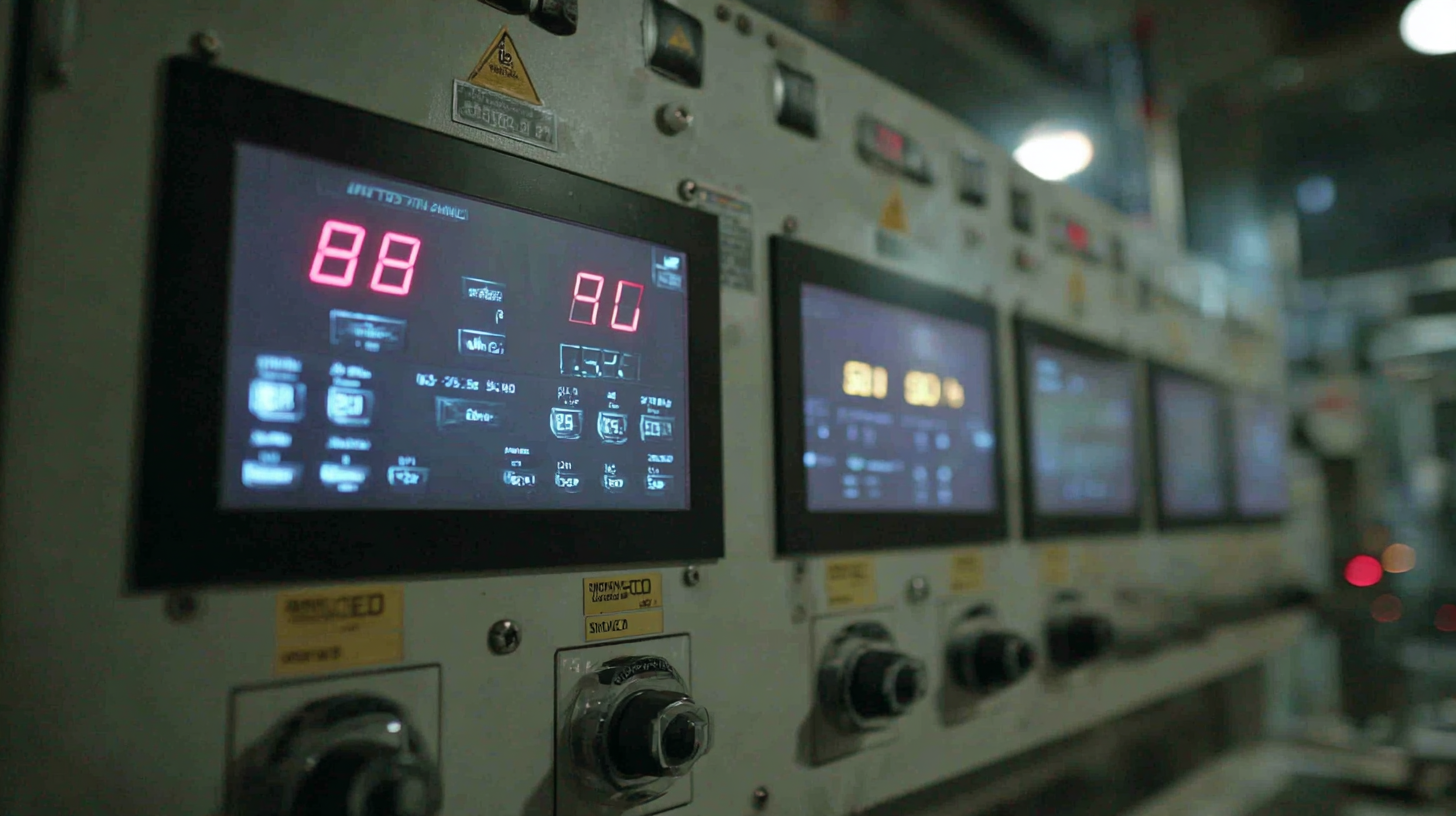
In the rapidly evolving manufacturing landscape, the integration of advanced technologies is paramount for achieving operational efficiency and fine-tuning production processes. One critical component in this technological synergy is Industrial HMI Glass, which serves as the interface between machines and operators. According to industry reports, the global Human-Machine Interface market is projected to reach USD 6.75 billion by 2025, driven by the increased demand for automated processes and enhanced user experiences. At Dongguan Fuxin Glass Technology Co., Ltd., we recognize the significance of high-quality display glass, having dedicated over a decade to pioneering innovations in various glass technologies, including AG, AR, AF, and AM glass. Our commitment to excellence ensures that our Industrial HMI Glass meets the rigorous standards required for modern manufacturing, enabling industries to thrive in a competitive global market.
Key Features of High-Quality Industrial HMI Glass for Manufacturing Applications
When it comes to manufacturing, the quality of your Human-Machine Interface (HMI) glass can significantly impact productivity and operational efficiency. High-quality industrial HMI glass offers essential features that enhance user interaction and machine performance. One of the key attributes is durability; the glass must withstand harsh conditions, including temperature fluctuations, chemicals, and physical impacts. A robust glass solution ensures longevity, minimizing downtime and maintenance costs.
Additionally, clarity and touchscreen responsiveness are vital. High-quality HMI glass allows for precise touch detection, ensuring that operators can interact seamlessly with the interface. It also provides excellent visibility, reducing glare and reflections that can hinder performance in bright environments. For manufacturers, investing in the best HMI glass translates to better user experience and can lead to increased operational efficiency.
Tip: When selecting HMI glass, consider options with anti-fingerprint and anti-reflective coatings to enhance visibility and cleanliness. Regularly inspect and maintain the glass surface to ensure optimal performance and longevity. Another suggestion is to choose glass with integrated heating elements to prevent condensation or icing, ensuring that operations run smoothly in varying conditions.
Understanding Different Types of HMI Glass and Their Industrial Uses
In industrial settings, Human-Machine Interface (HMI) glass plays a crucial role in ensuring operational efficiency and user safety. Different types of HMI glass are designed to meet specific industrial requirements, each with unique characteristics. For example, tempered glass is known for its remarkable durability and resistance to thermal shock, making it ideal for environments with fluctuating temperatures. According to a report by Smithers Pira, the global demand for durable touchscreen technology in manufacturing is expected to grow at a compound annual growth rate (CAGR) of 5.5%, highlighting the importance of robust materials like HMI glass.
Another type of HMI glass gaining traction is anti-reflective glass, which enhances visibility in bright environments. This type of glass minimizes glare and reflections, allowing operators to maintain focus and work efficiency. A study conducted by Frost & Sullivan revealed that 70% of operators reported improved performance and reduced fatigue when using screens with anti-reflective coatings. Additionally, specialty glasses such as chemically strengthened glass offer enhanced impact resistance, essential for environments with a high risk of accidental contact or exposure to chemicals. These advancements in HMI glass technology are pivotal in optimizing the monitoring and control systems within manufacturing processes, directly impacting productivity and safety.
The Importance of Durability and Resistance in HMI Glass Selection
In today's competitive manufacturing landscape, the selection of Human-Machine Interface (HMI) glass is crucial, particularly its durability and resistance properties. According to industry reports, nearly 70% of unplanned downtimes in manufacturing can be attributed to equipment failures, often due to inadequate protective materials. High-quality industrial HMI glass should withstand harsh environments, including extreme temperatures, vibrations, and exposure to chemicals. The implementation of AG (Anti-Glare) and AR (Anti-Reflective) glass technologies not only enhances visibility but also ensures longevity, reducing the frequency of replacements.
Dongguan Fuxin Glass Technology Co., Ltd. has been at the forefront of this innovation for over a decade, specializing in various types of display glass, including AF (Anti-Fingerprint) and AM (Anti-Microbial) glass. Research indicates that HMI systems utilizing advanced glass technologies can improve operator effectiveness by approximately 40%. This enhancement is integral to maintaining high productivity levels and fostering a culture of safety within manufacturing operations. By focusing on the critical attributes of durability and resistance in HMI glass, manufacturers can safeguard their investments and drive long-term success in their production processes.
How to Choose the Right HMI Glass for Your Specific Manufacturing Needs
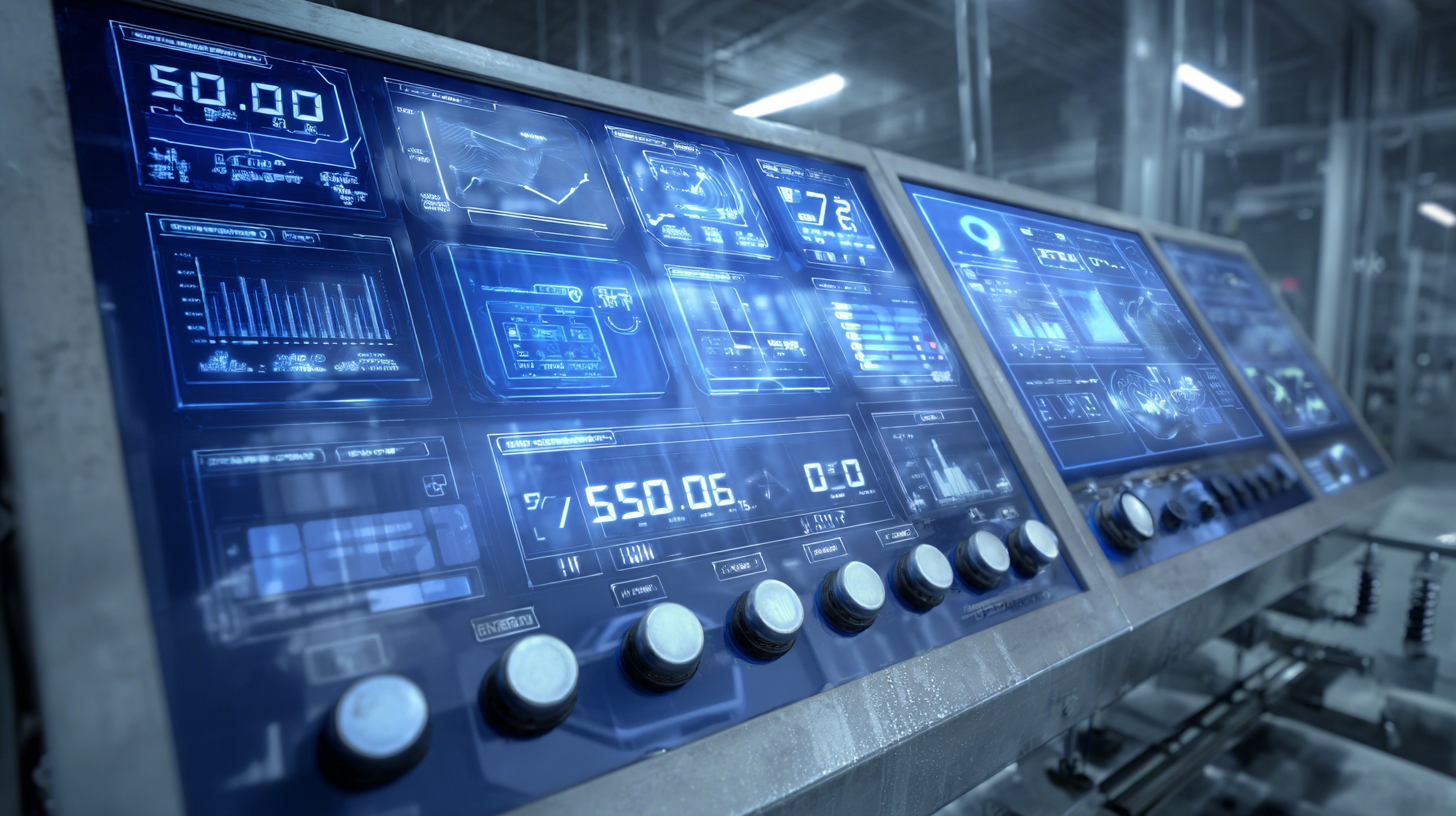
When selecting the right HMI (Human-Machine Interface) glass for your manufacturing needs, it's crucial to consider factors such as durability, clarity, and environmental resilience. According to a report by Technavio, the global HMI market is expected to grow at a CAGR of 9.06% from 2020 to 2024, highlighting the increasing reliance on advanced display technologies in industrial environments. This growth underscores the importance of choosing high-quality HMI glass that can withstand harsh conditions while providing clear visibility for operators.
Additionally, it is essential to evaluate the features that best suit specific manufacturing settings. For instance, industries that handle corrosive chemicals may benefit from tempered glass, known for its strength and resistance to scratches and impacts. A study by MarketsandMarkets reveals that the demand for rugged displays in manufacturing is driven by the need for reliability in extreme conditions. By understanding your unique operational requirements and the properties of HMI glass, you can ensure an optimal selection that enhances both productivity and safety on the factory floor.
Importance of Industrial HMI Glass Features for Manufacturing Success
Integrating Advanced HMI Glass for Enhanced User Experience in Production Lines
Integrating advanced Human-Machine Interface (HMI) glass in production lines is pivotal for enhancing user experience and operational efficiency. Various studies highlight that businesses implementing sophisticated HMI solutions have seen an increase in productivity by up to 30%. A key factor in this improvement is the user-friendly design that modern HMI glass offers, allowing operators to interact with machines seamlessly and intuitively. According to a report from MarketsandMarkets, the global HMI market is expected to reach $7.4 billion by 2025, indicating a growing recognition of its impact on manufacturing success.
Moreover, advanced HMI glass significantly reduces downtime through real-time monitoring and feedback capabilities. Research indicates that manufacturers utilizing high-quality HMI systems experience up to a 20% reduction in operational errors, leading to less frequent halts in production. The clarity and durability of HMI glass not only enhance visibility and safety but also facilitate quicker decision-making processes on the shop floor. With the continued evolution of smart manufacturing technologies, integrating advanced HMI glass is no longer just an option; it’s a necessity for businesses aiming to stay competitive in a rapidly evolving industrial landscape.
Cost-Benefit Analysis: Investing in Quality HMI Glass for Long-Term Success
Investing in high-quality Human-Machine Interface (HMI) glass is a strategic decision that directly impacts the operational efficiency and long-term viability of manufacturing processes. A recent study by Research and Markets projected that the global HMI market will grow to $6.5 billion by 2025, driven by the increasing need for improved user experience and operational reliability. This growth emphasizes the importance of premium HMI components, as inferior materials can lead to increased maintenance costs and downtime, ultimately affecting a company's bottom line.
Moreover, the durability of HMI glass is critical in harsh industrial environments. According to a report from MarketsandMarkets, adopting advanced HMI systems can enhance productivity by up to 20%. By investing in quality glass that withstands extreme conditions—such as temperature fluctuations, chemical exposure, and physical impacts—manufacturers can significantly reduce replacement cycles and ensure consistent operational performance. This not only translates to lower expenditures over time but also cultivates a safer and more efficient workplace. Thus, understanding the cost-benefit balance when it comes to HMI glass is crucial for reaping long-term manufacturing success.