In today's fast-changing tech world, display glass has become a super important part of all sorts of electronic gadgets — from smartphones to giant TVs. If you look at industry reports, they’re saying the global market for display glass could hit around $37.5 billion by 2027. That’s mainly because people want sharper, high-definition screens, and tech keeps getting better.
 Dongguan Fuxin Glass Technology Co., Ltd. has been right there in the thick of it, pouring over ten years into innovation and research in display glass. They mainly focus on different types, like AG glass, AR glass, AF glass, and AM glass, each designed to make visuals look better and improve the user experience. As more folks look for top-quality display options, it’s really handy for both manufacturers and consumers to understand what display glass can do and where it’s used.
The Role of Display Glass in Shaping Visual Experiences
You know, display glass really plays a huge role when it comes to shaping how we see and experience visuals across all sorts of modern tech. As technology advances so quickly, the need for high-quality display glass has skyrocketed. Actually, a recent report from MarketsandMarkets says the global market for display glass could hit around $34.5 billion by 2025 — that’s a pretty impressive growth rate of about 5.8% from 2020 to 2025. This really highlights just how important display glass is, whether it’s on smartphones, big digital signs, or other screens where clarity and toughness are key.
At Dongguan Fuxin Glass Technology Co., Ltd., we’re super passionate about pushing innovation in this space. Over the years, we’ve become pretty good at making all kinds of display glass — from AG glass to AR, AF, and AM types. We’ve dedicated over ten years to R&D, which keeps us ahead of the game when it comes to developing solutions that really boost your visual experience. And speaking of AR glasses, they’re really starting to take off in areas like gaming and education — projections from Grand View Research say the market for AR tech could grow to nearly $198 billion by 2025. As this tech keeps evolving, our goal is to keep delivering the most advanced display glass solutions out there, so that both consumers and businesses get what they need and want from their screens.
Innovative Display Glass Technologies Transforming Electronics
The display glass industry is really going through some exciting changes lately. Thanks to all these new tech innovations, the way we interact with our gadgets is never the same. Did you know that by 2027, the global market for display glass is expected to hit around $57 billion? That's pretty incredible, especially since it’s been growing at roughly 6.5% annually since 2020. A lot of this growth is driven by advancements in smart display tech like OLEDs and microLEDs, which deliver top-notch image quality and are super energy-efficient.
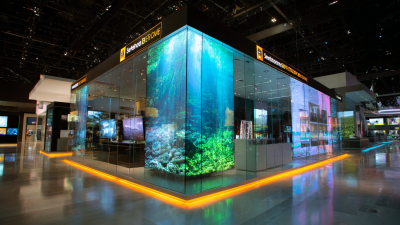
On the tech scene, events like the recent First Look showcase give us a peek at what’s next—major companies are rolling out some seriously innovative display solutions. For example, smart mirrors are starting to change the retail game by combining augmented reality with shopping. Imagine trying on clothes virtually or seeing extra info about a product just by standing in front of a mirror—that kind of stuff not only makes shopping more fun but also gives retailers a ton of useful data. Plus, these smart mirrors help personalize the experience, making the whole thing feel more tailored to each customer.
And it doesn’t stop there. AI integration into display tech is really about to shake things up, especially in smart glasses and interactive screens. Recent reports suggest that AI-powered features could open a whole new chapter in how we connect with our devices. As consumers, we’re craving more natural and immersive interactions, so companies are jumping on this trend to step up their game. Overall, display glass isn’t just a background element anymore; it’s becoming a key player in shaping the future of tech innovation—pretty exciting times all around.
Understanding the Importance of Display Glass in Modern Technology
This chart illustrates the growth of various display glass technologies over the past decade, highlighting the advancements in terms of market share within the electronics industry.
Comparative Analysis: Different Types of Display Glass
You know, display glass technology has come a long way, especially with everyone wanting crisper, high-res screens in smartphones, TVs, and all sorts of gadgets. A big name you probably recognize is Corning's Gorilla Glass — it's pretty much the go-to for its toughness and resistance to scratches. I read somewhere that in 2022, the worldwide market for specialty glass, which includes display glass, was around $76 billion, and experts are saying it’ll grow to about $112 billion by 2028. That’s roughly a 6.5% yearly growth — not too shabby! A lot of this boom is thanks to new tech in displays and how glass is finding its way into so many industries, from consumer electronics to cars and even architecture.
On top of that, OLED display glass is really shaking things up. These screens give you much better color and contrast—super vivid and sharp. According to a report by IDC, shipments of OLED tech are expected to hit over 500 million units by 2025. Plus, their thin and lightweight design means device makers can come up with some really cool, innovative shapes for phones, watches, and other gadgets. Meanwhile, traditional LCDs are gradually being replaced because they just can’t match OLEDs in color range or viewing angles. So, it’s clear that the industry is shifting gears, focusing more on making display glass better for a smoother, more immersive experience for us users.
Applications of Display Glass in Consumer Electronics
You know, the way display glass is making waves in consumer tech these days is pretty exciting. At CES 2025, we saw some seriously cool stuff—like new Micro and Mini LED screens—that are quickly becoming a must-have for all sorts of gadgets. From big-screen TVs and smartphones to AR glasses and even cars, these new displays are showing just how versatile they can be. They’re making devices thinner, lighter, and way more power-efficient, which totally ups the user experience.
So, if you're thinking about upgrading or just curious about the latest display tech, here are a few tips. First off, when you’re picking out new devices, try to go for ones with Micro or Mini LED screens—they tend to have better contrast, more accurate colors, and usually save on battery life. Also, keep an eye on cool innovations like stretchable or bendable displays; they not only look futuristic but open up some fun new design possibilities. And, if you're into the tech stuff, understanding how transparent conductive films work can actually give you a bit of appreciation for all those visual perks we see in modern electronics—it’s pretty fascinating!
All in all, these advancements are making our gadgets smarter and more adaptable than ever before.
The Future of Display Glass: Trends and Predictions
Looking ahead, the future of display glass tech is heading into some seriously exciting territory. Thanks to some crazy advances in materials and manufacturing, things are changing at a rapid pace. When you think about events like the 2024 Shenzhen International Touch and Display Exhibition, it’s pretty obvious that flexible display tech is leading the charge—really showcasing how dedicated the industry is to making our user experiences even better. It’s also pretty mind-blowing to consider that China's new display industry might hit over 1 trillion yuan by 2024—talk about a booming market! With the demand for more advanced, sophisticated applications skyrocketing, it’s clear that display glass is playing a crucial role in today’s tech scene.

And then there’s Micro LED and OLED. Those are really catching everyone's attention, especially with forecasts showing that Micro LED could grow into a market worth over $10.5 billion by 2027, with an eye-popping annual growth rate of about 126%. That’s huge! It really shows how the game is shifting toward versatility and top-notch performance. On top of that, government policies are actually backing this growth, which means we’re going to see a bunch of new, innovative display products in the pipeline. All these developments suggest that display glass isn’t just sticking around—it’s heading into an age where everything from smartphones to massive digital displays becomes more visually stunning, more immersive, and honestly, just way smarter. We’re looking at a future where visual tech is more exciting and dynamic than ever before.
Impact of Display Glass on User Interface Design and Interaction
You know, display glass might not sound like the most exciting topic, but it actually plays a huge role in how we interact with our devices these days. As gadgets keep getting smarter and sleeker, the quality of the display glass really impacts how easy and satisfying it is to use them. Good-quality display glass doesn’t just look better — it also responds better to touch, stays clear, and just makes the whole experience way more enjoyable. Honestly, in a world where we expect things to work smoothly and effortlessly, choosing the right display glass is totally a big deal.
If you’re looking to optimize user interaction, there are a few things to keep in mind. For starters, pick glass that cuts down on glare and reflections — this way, your screen stays visible even when it’s super bright outside. It’s also smart to go for tempered or Gorilla Glass, since those are way more durable and can handle bumps and drops, which is a lifesaver especially for mobile devices that travel everywhere with us. Don’t forget about smudge resistance; a smudge-proof surface keeps the screen clearer and makes touching and swiping feel way nicer.
As technology keeps evolving, designers should also think about how thick and heavy the glass is. A super thin, lightweight screen helps keep the device portable without sacrificing performance. Focusing on all these little details allows creators to make interfaces that aren’t just eye-catching but also intuitive and fun to use — making sure users get hooked in and enjoy every interaction.

FAQS
: Gorilla Glass, produced by Corning, is known for its durability and scratch resistance, making it a prevalent choice for various devices including smartphones and televisions.
The global market for specialty glass is expected to reach approximately $112 billion by 2028, reflecting a compound annual growth rate (CAGR) of around 6.5%.
OLED (Organic Light Emitting Diode) display glass offers superior color accuracy and contrast compared to traditional LCDs, which are limited in color ranges and viewing angles.
Micro LED technology is projected to experience significant market growth, possibly surpassing $10.5 billion by 2027, with a remarkable CAGR of 126%.
High-quality display glass enhances visual appeal, touch responsiveness, and clarity, directly affecting how users interact with their devices.
Tips include selecting display glass that minimizes glare, opting for durable materials like tempered or Gorilla Glass, ensuring smudge resistance, and considering the thickness and weight for better portability.
Ongoing support from national policies reinforces the development of new display products, ensuring they meet the evolving expectations of a tech-savvy consumer base.
Predictions suggest that the new display industry in China could exceed 1 trillion yuan by 2024 due to increasing demand for sophisticated applications.
Conclusion
Display glass really plays a key role in shaping what we see through all kinds of modern tech. As more and more folks look for high-quality visual interfaces, the push for innovative display glass solutions keeps growing. You’ve got different types out there—like AG glass, AR glass, AF glass, and AM glass—and each brings its own perks. These advancements don’t just make devices look better and work faster; they also help create more interactive and engaging user experiences. When you compare the different kinds, it’s pretty clear that each offers unique benefits, so users can pick the perfect display glass for whatever they need.
Looking ahead, the future of display glass is pretty exciting. With ongoing research and R&D, we’re probably going to see some real game-changing improvements in both how these glasses work and how they look. Companies like Dongguan Fuxin Glass Technology Co., Ltd. are really pushing the envelope, and that means better user experience and smarter interfaces down the line. It’s clear that display glass isn’t just a small part of our tech anymore—it’s becoming a vital piece of how we interact with gadgets every day.