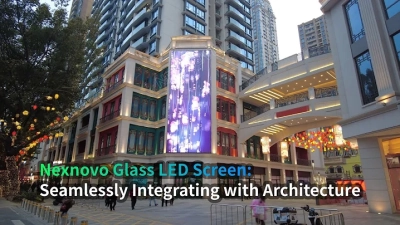
You know, in today’s fast-changing world of industries, it’s no secret that demand for high-quality cover glass has shot up quite a bit. Thanks to tech advancements and what consumers are looking for these days, it’s become a hot market. I recently came across a report saying that by 2025, the global cover glass market could hit over $10 billion! That’s mainly fueled by sectors like consumer electronics, autos, and even architecture. At the forefront of all this is Dongguan Fuxin Glass Technology Co., Ltd.—with over ten years of experience in different glass specialties, they really know their stuff. Their R&D team works on some pretty cool stuff, like specialized display glasses—think AG, AR, AF, and AM types—that help meet the diverse demands of today’s market. As industries keep realizing how crucial high-performance cover glass is for both looks and function, it’s exciting to see the new applications and cutting-edge tech shaping the future of this vital material. Honestly, it’s a pretty fascinating time for this field!
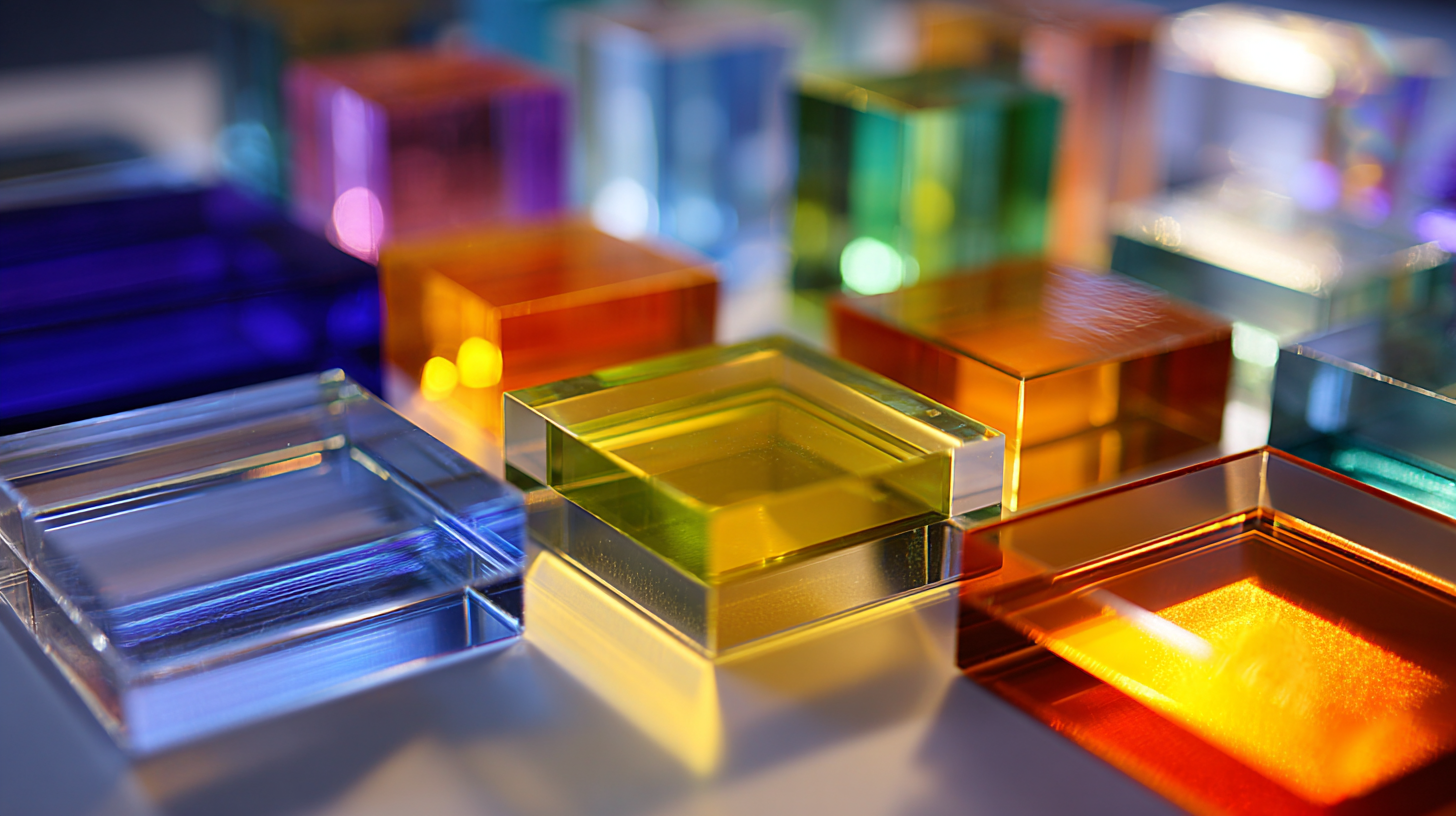
Emerging Trends in Cover Glass Applications Across Various Sectors
You know, cover glass has really become a key player across all sorts of industries these days. It’s fascinating to see how people are finding new ways to use it, especially as industry trends keep shifting. A recent report from MarketsandMarkets predicts that the global glass market might hit over over $200 billion by 2028. And a big chunk of that growth is happening in the cover glass segment, thanks to its skyrocketing demand in electronics, architecture, and cars. In the tech world, folks are clamoring for lighter, tougher cover glass for their smartphones and tablets. Everyone wants that sleek, slim look, but no one wants to sacrifice durability, right?

On the architecture side of things, cover glass is really making waves, especially in smart building designs. It’s not just about good looks anymore; it’s also about boosting energy efficiency. There was a study from Transparency Market Research showing that energy-efficient architectural glass is expected to grow at about 6.2% annually from 2021 to 2028. These trends really highlight how industries are working towards more sustainable options that don’t skimp on functionality.
If you’re thinking about using cover glass in your projects, here are a few tips—go for options with better scratch resistance and overall durability to make your products last longer. Also, researching advanced coatings that can make the glass self-cleaning could save you a lot of hassle down the line. And of course, keep an eye on the latest tech happening in the cover glass scene—being in the know can really open up new opportunities and ideas.
Market Forecast for Cover Glass: Opportunities and Challenges by 2025
So, the cover glass industry? It’s really poised for some serious growth around 2025, mainly because demand is picking up across a bunch of different sectors. As technology keeps advancing and people become more aware of what they want, manufacturers are likely to get more creative — experimenting with different materials and applications. They're focusing on making cover glass that’s not just durable but also looks good. Especially in areas like automotive, electronics, and architecture, we’re seeing designers pushing the boundaries, exploring new styles, and even multifunctional features, which is adding up to a pretty exciting market boom.
That said, it’s not all smooth sailing. Things like the cost of raw materials can be unpredictable, and there’s a growing need to go green. Consumers are more environmentally conscious than ever, so the industry really needs to step up by adopting eco-friendly methods and recyclable materials. If companies can navigate these hurdles—think smarter sourcing and sustainable practices—they’re not just going to keep things stable; they might even find new opportunities and boost their growth. It’s clear that the winners will be those who are ready to embrace change and prioritize sustainability. All in all, the future of cover glass products looks pretty dynamic and full of potential.
Market Forecast for Cover Glass by 2025
This bar chart displays the projected market share of cover glass applications across various industries by 2025, showing significant growth in electronics, automotive, and solar energy sectors.
Innovative Techniques in Manufacturing High-Performance Cover Glass
Hey, you know how materials engineering is changing so fast these days? Well, one area that's really catching up is the manufacturing of high-performance cover glass. They've come up with some pretty cool innovations, like nano-coatings and anti-reflective layers, that seriously boost how these glasses work. Not only do they look clearer and last longer, but they’re also more resistant to scratches and fingerprints. That’s a game-changer, especially for gadgets like smartphones and fancy cars. As manufacturers keep pushing these cutting-edge techniques, the performance of cover glass just keeps getting better and better.
And, get this — with additive manufacturing, especially 3D printing, they’re now able to create custom cover glass solutions. What’s awesome about this is they can make complex shapes and tweak properties to fit exact needs. For example, in healthcare, companies are designing special cover glass for advanced diagnostic tools, which helps things run smoothly and keeps patients safer. The range of high-performance cover glass is just expanding because of all these new manufacturing tricks, making it easier to meet the diverse demands across industries worldwide.
Case Studies: Successful Implementation of Cover Glass in Different Industries
You know, cover glass is pretty impressive when you look at all the different ways it's being used across various industries. There are quite a few case studies out there showing just how innovative these applications can be. Take electronics, for example — the demand for sturdy, good-looking cover glass has really taken off. In fact, the global market for it is expected to hit around $9.3 billion by 2025 (ResearchAndMarkets, 2021). Major brands in smartphones and tablets use cover glass not just because it’s tough, but also because it looks great and improves the overall user experience. Companies like Corning have nailed it with Gorilla Glass, which resists scratches like a champ, stays lightweight, and has basically become a standard in the industry.
And then there's the automotive world. Touchscreens in cars are super popular now, and that’s driven up the use of cover glass big time. According to a report from MarketsandMarkets, the automotive glass market is projected to grow from $30 billion back in 2020 to over $40 billion by 2025. Car manufacturers are leaning more on tempered cover glass to build those cool, interactive infotainment systems that make every ride more engaging. It's all about making that passenger experience a little more fun and a lot more high-tech.
Tip: When you're picking out cover glass for industrial stuff, don’t forget to consider things like how thick it is, how well it handles heat, and its resistance to chemicals. And, of course, regular testing and quality checks are key — they help catch problems early and make sure your materials last longer.
On a different note, in the architecture scene, cover glass is playing a big role in energy-efficient building facades. The U.S. Department of Energy’s studies show that buildings with high-performance glazing can cut down energy use by up to 30%. That’s not just good for the planet, but it also makes buildings look sleek and modern. Plus, investing in top-quality architectural glass from trusted suppliers means you're getting access to the newest tech and materials, making it easier to meet those energy efficiency standards.
Sustainability and Eco-Friendly Practices in Cover Glass Production
You know, the way they make cover glass has really come a long way when it comes to being more eco-friendly and sustainable. These days, with everyone pushing for greener manufacturing processes, companies are getting pretty creative. We're seeing more recycled materials in the mix, less energy used, and smarter methods that cut down on greenhouse gases. Honestly, it’s pretty cool because not only does this make the cover glass more durable and top-notch in quality, but it also lines up with what most people really care about today—taking care of the planet.

On top of that, a bunch of manufacturers are switching over to closed-loop systems, which basically means they reuse scrap glass instead of throwing it away. That’s a game-changer in reducing waste. Plus, tech developments now let us produce cover glass that looks great and saves energy at the same time. Some designs even include solar control features, so they’re not just pretty—they’re also super practical from an eco point of view. As the industry keeps evolving, I think these green practices are going to be more and more important, shaping what’s next for cover glass in all sorts of different sectors. It’s pretty inspiring to see how innovation and caring for the environment are going hand in hand these days.
Future Technologies Shaping the Cover Glass Market Landscape
The cover glass market is really heading into some exciting times. As new technologies keep evolving,
we're seeing big changes across different industries, from cookware and tableware to packaging.
Thanks to breakthroughs in materials science, we're now getting high-performance glass that’s
tougher and more functional. For example, innovations like
tempered and insulated glass
are totally transforming cookware — making pots and pans that can handle higher heats and last longer.
That’s a big win, especially with the surge in demand for premium kitchen gadgets.
On the packaging side, smart tech embedded in glass is
becoming a real game-changer. Products that can monitor freshness or show real-time info about quality
are catching on fast with both companies and consumers. It also ties into the push for more sustainable
and safer options—since glass is recyclable and non-reactive, it’s quickly becoming the go-to material.
Industries like healthcare and electronics aren’t just using cover glass for practicality anymore —
they're also focusing on looks. The rise of ultra-clear and stylish finishes means brands can get
really creative with design, meeting our modern taste for sleek and chic products.
All in all, the future of cover glass looks pretty bright, driven by tech that meets industry needs
while making our interactions more enjoyable and visually appealing.
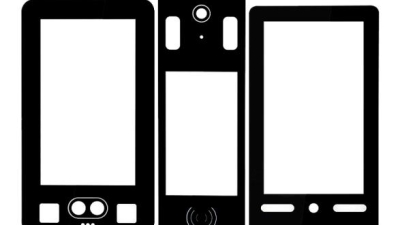
Enhancing Security and Aesthetics with Customized AR Security Glass Panels: The Perfect Access Control Solution
In today's world, security concerns are at the forefront of many businesses and homeowners' minds. Combining aesthetics with functionality, customized Augmented Reality (AR) security glass panels emerge as the ideal access control solution. These panels not only enhance security but also add a modern, sleek appearance to any environment. Imagine having a glass installation that not only keeps unauthorized access at bay but also serves as an artistic feature of your décor.
One of the standout options for these customized panels is tempered glass, renowned for its safety and strength. This type of safety glass is treated to withstand impact, making it an excellent choice for security applications. With the ability to customize tempered glass in various shapes, sizes, and colors, it can cater to specific design preferences while maintaining maximum strength. Whether it's for a sleek entrance or a modern office partition, the adaptability of tempered glass ensures that security doesn't come at the expense of style.
Beyond just tempered glass, there are various other glass types available for customization, including silk screen glass, ultra-white glass, and touch screen glass. Each variant can be tailored to meet unique design requirements and functional purposes. Incorporating AR technology into glass panels further elevates their capabilities, offering real-time data overlays and interactive features that enhance security monitoring. These innovative solutions demonstrate that safety and aesthetics can go hand in hand, providing a forward-thinking approach to access control systems.
FAQS
: The growth is primarily driven by increased demand across various sectors, technological advancements, and rising consumer awareness.
The automotive, electronics, and architectural sectors are particularly exploring new designs and multifunctional cover glass products.
Key challenges include cost fluctuations in raw materials and the need for sustainable practices in production.
As consumers become more environmentally conscious, the industry is pressured to adopt eco-friendly production methods and recyclable materials.
Innovations in materials science, such as high-performance tempered and insulated glass, are expected to drive transformation across various industries, including cookware and packaging.
The integration of smart technologies into glass materials is becoming a key trend, with intelligent packaging solutions that monitor freshness and track product quality.
There is a growing preference for ultra-clear glass and aesthetically appealing finishes, particularly in healthcare and electronics, aligning with consumer desires for modern aesthetics.
Companies that invest in innovative, sustainable solutions tailored to evolving consumer expectations will likely find new market opportunities and stability.
Innovations in tempered and insulated glass are allowing cookware products to withstand higher temperatures and extend their lifespan, catering to the demand for premium kitchenware.
The need for sustainability is driving the adoption of recyclable materials and eco-friendly production methods, which is crucial for adapting to consumer expectations and market dynamics.